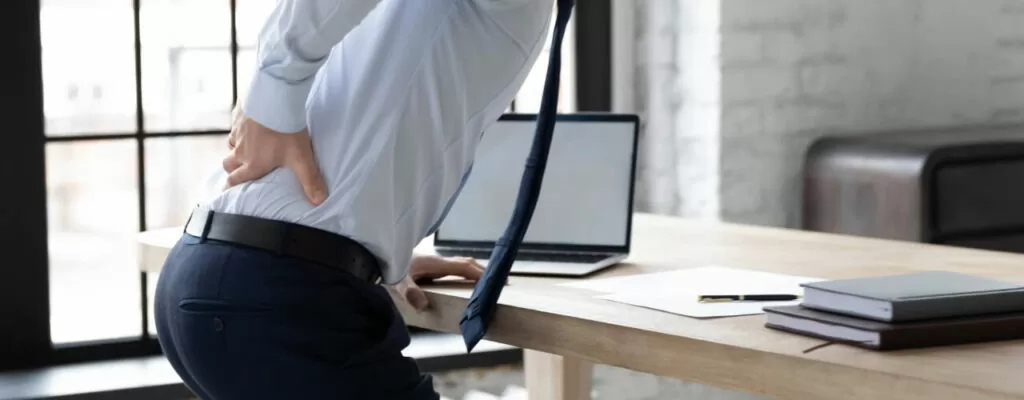
In today’s world, it’s easy to let posture slide. Long hours spent at desks, hunched over smartphones, or lounging on couches can take a toll on the body. Poor posture may seem harmless at first, but over time, it can lead to discomfort and even chronic pain. The connection between back pain and posture is undeniable, as the way we sit, stand, and move affects the health of our spine, muscles, and joints.
At Peak Physical Therapy & Sports Medicine, our physical therapy team specializes in helping patients identify and correct postural issues to reduce back pain and improve overall well-being.
The Mechanics of Poor Posture
Your spine is designed to maintain specific curves that distribute weight evenly and keep the body balanced. Poor posture disrupts this natural alignment, placing undue stress on the back.
How poor posture affects the body:
Spinal misalignment:
- Slouching or leaning forward shifts weight unevenly, straining certain parts of the spine.
Weakened muscles:
- Prolonged poor posture weakens the core, back, and neck muscles, making it harder to maintain proper alignment.
Joint stress:
- Uneven pressure increases wear and tear on spinal joints, contributing to discomfort and stiffness.
These issues often snowball, as weak muscles and stressed joints make maintaining good posture even more challenging. Without intervention, what begins as mild discomfort can progress into persistent pain or even injury.
Types of Poor Posture That Cause Back Pain
Not all bad posture looks the same. Different habits affect various areas of the back, each with its own challenges:
Slouching or Hunching
- Sitting with rounded shoulders and a curved upper back puts strain on the lower back. This posture often results from sitting in non-ergonomic chairs or leaning forward toward a screen for extended periods.
Forward Head Posture
- Commonly known as “tech neck,” this occurs when the head juts forward, placing extra pressure on the neck and upper back. Holding this position for long periods increases the risk of muscle tension and headaches.
Swayback
- This posture involves the hips tilting forward, creating an exaggerated curve in the lower back. It weakens core muscles and overworks the lower spine, leading to stiffness and discomfort.
Understanding these patterns helps patients and therapists address the root causes of back pain and posture issues effectively.
How Physical Therapy Can Help Back Pain and Posture
Physical therapy is a powerful tool for addressing posture-related back pain. At Peak Physical Therapy & Sports Medicine, therapists take a proactive approach to uncover and correct the habits contributing to discomfort.
What to expect in therapy:
Comprehensive evaluation:
- The first step involves assessing your back pain and posture. We’ll assess your posture during sitting, standing, and moving. Therapists look for imbalances, misalignment, and areas of tension that may contribute to pain.
Strengthening techniques:
- Targeted exercises help build the muscles needed to support proper posture, including the core, back, and upper back.
Manual therapy:
- Hands-on techniques may be used to help back pain and posture by releasing tension, improving joint mobility, and restoring spinal positions.
Patient education:
- Therapists provide guidance on how to maintain good posture throughout daily activities, reducing strain on the spine and preventing further issues.
With consistent therapy, patients often experience significant relief from back pain and posture-related issues, while developing the habits needed for long-term spinal health.
Tips for Better Posture
Improving posture doesn’t have to be complicated. Small changes can make a big difference in reducing pain and supporting back health:
Set up an ergonomic workspace:
- Use a chair with lumbar support, position your screen at eye level, and keep your feet flat on the floor.
Take movement breaks:
- Avoid sitting for long periods by standing, stretching, or walking every 30 minutes.
Be mindful of posture:
- Check your alignment periodically, ensuring your shoulders are back, your head is upright, and your back maintains its natural curves.
Engage in strengthening activities:
- A strong spine provides the support needed to maintain good posture effortlessly.
By incorporating these habits, patients can prevent posture-related pain and enjoy better overall well-being.
The Peak Physical Therapy & Sports Medicine Difference
We understand how dealing with back pain and posture difficulties affects your overall quality of life. Our team combines expertise, proven techniques, and patient-centered care to help you correct postural issues and achieve lasting relief. Moving through life comfortably and confidently is possible with the right guidance and a commitment to change!
Tags: Back Pain Relief, posture correction, spinal alignment, movement efficiency