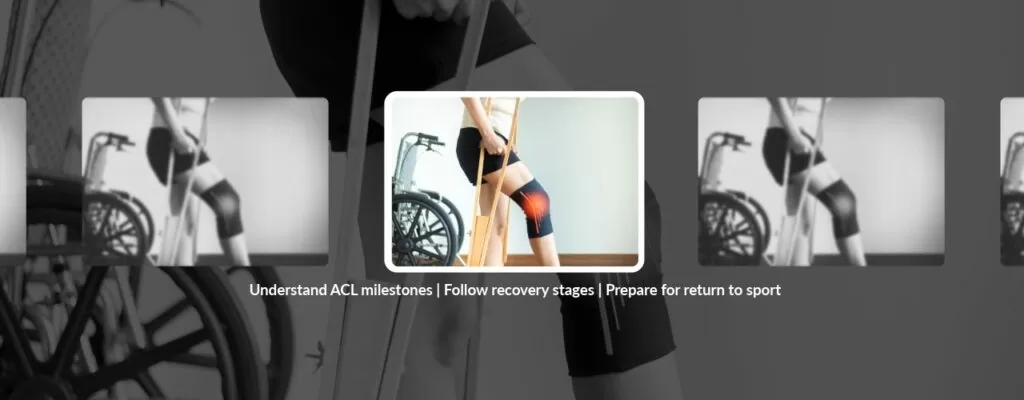
An ACL injury can feel overwhelming, especially if you are eager to get back to sports or an active lifestyle. Many people wonder how long recovery will take and what progress should look like along the way. Understanding the ACL tear recovery timeline can help set realistic expectations, reduce frustration, and keep you focused on meaningful milestones instead of rushing the process.
Understanding the ACL Tear Recovery Timeline Before You Begin
Every recovery is unique. Factors such as your age, overall health, activity level, injury severity, and whether you had ACL reconstruction surgery all influence the pace of healing.
It is also important to remember that meeting a milestone does not always mean the knee is fully ready for the next level of activity. Our physical therapists look at strength, movement quality, balance, confidence, and overall function before recommending progression.
Month 1: Protecting the Knee While Healing Begins
The first few weeks focus on allowing the body to begin healing while reducing the effects of the injury or surgery. During this stage, your body is working to:
- Control swelling and inflammation.
- Restore comfortable knee movement.
- Protect healing tissues.
- Begin rebuilding normal walking patterns.
Many people notice gradual improvements in pain and mobility, but the knee often still feels stiff or weak. Early progress creates the foundation for everything that follows.
Months 2 Through 3: Building a Stronger Foundation
As healing continues, attention shifts toward improving how the knee functions during everyday activities. Typical milestones may include:
- Walking more naturally.
- Better knee motion.
- Improving muscle strength.
- Greater confidence during daily tasks.
This stage of the ACL tear recovery timeline is often when patients begin feeling much better. However, feeling better is not the same as being fully recovered. Healing tissues continue to mature even when pain has decreased.
Months 4 Through 6: Preparing for Higher Demands
By this point, many people can comfortably perform more challenging daily activities. The focus becomes preparing the knee for faster, more dynamic movement. Your physical therapist may evaluate:
- Leg strength compared to the opposite side.
- Balance and body control.
- Movement quality during functional tasks.
- Overall stability.
These milestones show that the body is developing the control needed before returning to higher-impact activities. Simply reaching a certain month does not automatically mean the knee is ready for sports.
Months 7 Through 9: Progressing Toward Return to Sport
This portion of the ACL tear recovery timeline often requires patience. Although many athletes feel capable of doing more, the healing ligament and surrounding tissues continue to become stronger.
A successful return to sport depends on more than time alone. We also look for:
- Consistent strength between both legs.
- Good balance and coordination.
- Controlled movement during sport-specific activities.
- Confidence without hesitation.
- Minimal pain or swelling after activity.
These markers help lower the risk of another injury and support safer participation.
Months 9 and Beyond: Returning With Confidence
For many athletes, returning to competition typically occurs around this stage, though timelines vary widely. Some individuals need additional months before meeting all functional goals.
A successful return means more than simply stepping back onto the field or court. It means the knee can tolerate the physical demands of your sport while allowing you to move confidently and efficiently.
Even after returning, continued strengthening, movement training, and injury prevention remain important parts of long-term knee health.
Why Recovery Milestones Matter More Than the Calendar
One of the biggest misconceptions about ACL recovery is that everyone heals at the same pace. Instead of comparing yourself to someone else, focus on measurable improvements such as:
- Better strength.
- Improved movement quality.
- Reduced swelling.
- Greater confidence.
- Better balance and stability.
- Improved ability to tolerate activity.
These milestones provide a much clearer picture of recovery than the calendar alone.
Personalized Care Makes Every Step Count
Recovering from an ACL injury requires patience, consistency, and expert guidance. While understanding the ACL tear recovery timeline provides a helpful roadmap, your recovery should always reflect your individual needs and goals.
At Peak Physical Therapy & Sports Medicine, our physical therapists carefully monitor your progress, explain what each milestone means, and help you safely prepare for everyday activities and your eventual return to sport. If you are recovering from an ACL injury and want personalized support throughout every stage of healing, contact us to learn how we can help.
Tags: injury recovery, knee injury, ACL recovery, sports rehabilitation